Freight Forwarding Transportation Costs and Cargo Handling Services: Key Terminology and Practices

In the global logistics and supply chain industry, understanding the precise English terminology for various services and costs is crucial for effective communication and operational efficiency. Two fundamental aspects are freight forwarding transportation costs and cargo handling services. This article elucidates their common English expressions and contextual usage.
I. English Expressions for Freight Forwarding Transportation Costs
Freight forwarding transportation costs encompass all charges associated with moving goods from origin to destination. Key terms include:
1. Freight Charges / Freight Costs: The most general terms for the cost of transporting goods.
*Example: "The freight charges for sea shipment from Shanghai to Los Angeles have increased this quarter."
2. Ocean Freight / Air Freight: Specify the mode of transport.
*Example: "Please compare the ocean freight and air freight rates for this urgent shipment."
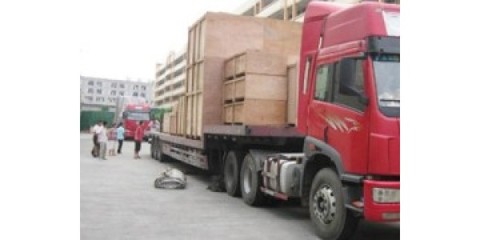
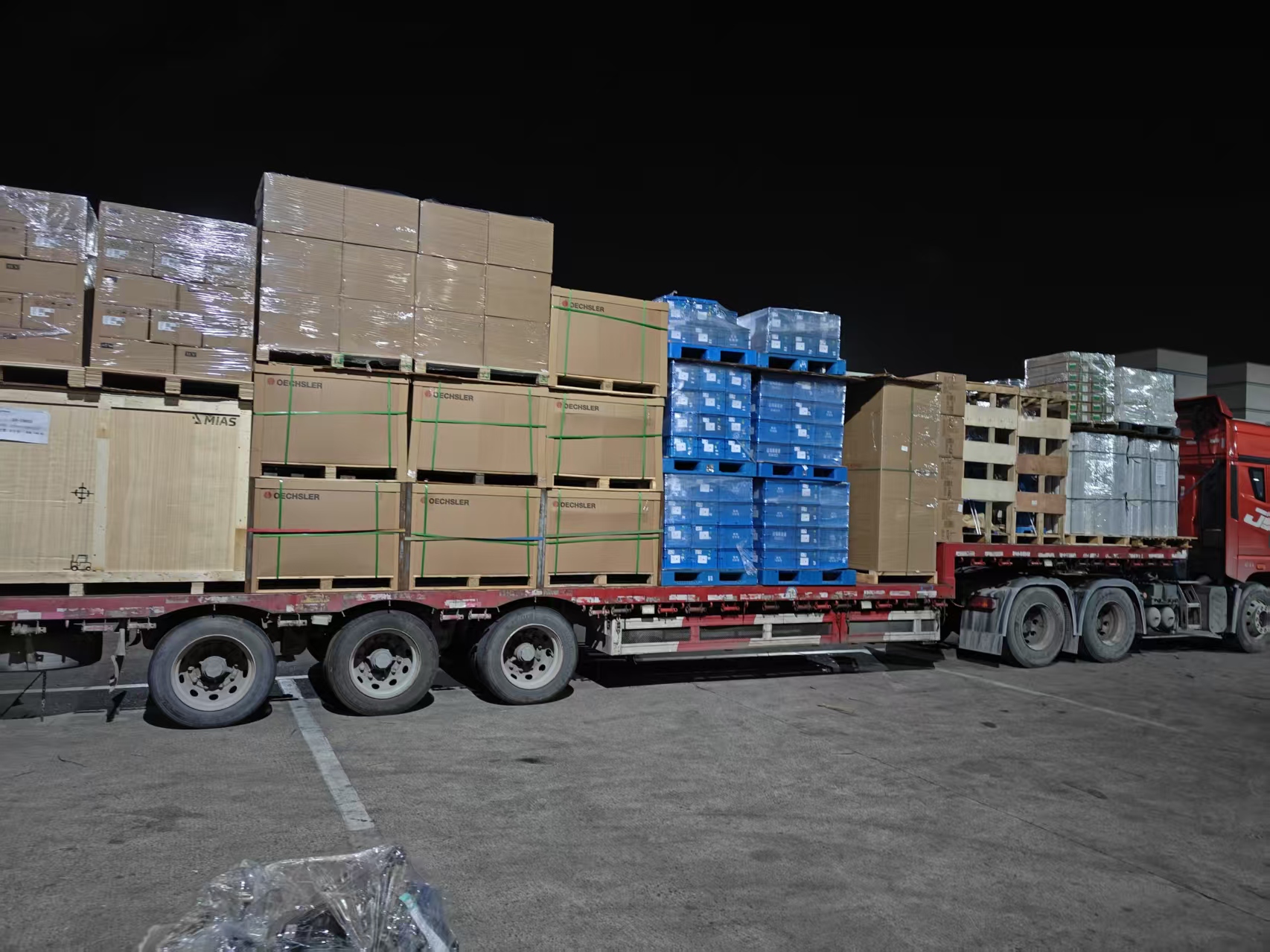
3. Transportation Fees / Haulage Charges: Often used for land or trucking segments.
*Example: "Haulage charges from the port to the warehouse are included in the quote."
4. Freight Rate: Refers to the price per unit (e.g., per container, per kilogram) for transportation.
*Example: "We have secured a competitive freight rate for 40-foot containers."
- Additional Surcharges: These are extra fees beyond the base freight, such as:
- Fuel Adjustment Factor (FAF) / Bunker Adjustment Factor (BAF): For fuel cost fluctuations.
- Terminal Handling Charges (THC): Fees for handling at ports.
- Peak Season Surcharge (PSS): Applied during high-demand periods.
A comprehensive quote is often termed a Freight Quotation or Shipping Quote.
II. English Expressions for Cargo Handling Services
Cargo handling services refer to the physical operations of loading, unloading, moving, and managing goods. Key terminology includes:
1. Cargo Handling Services / Freight Handling Services: The broad, standard terms.
*Example: "Our port offers efficient 24/7 cargo handling services."
2. Loading and Unloading Services: The specific core activities.
*Example: "The contract includes loading and unloading services at both ends of the journey."
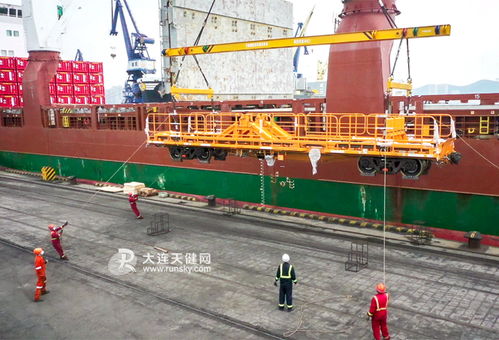
3. Stevedoring Services: A professional term specifically for loading/unloading ship cargo.
*Example: "We have contracted a local stevedoring company at the port of discharge."
4. Terminal Operations: Encompasses all handling activities within a port, airport, or rail terminal.
*Example: "Delays in terminal operations affected the shipment schedule."
5. Stuffing (Loading into a container) and Stripping (Unloading from a container):
*Example: "Container stuffing will be completed at the manufacturer's warehouse."
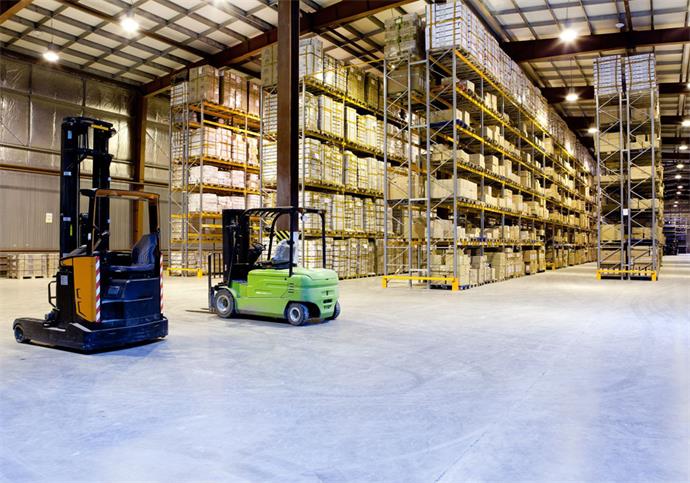
- Material Handling: A broader term that may include equipment use (forklifts, cranes) for moving goods within a facility.
III. Integration in Practical Context
In contracts and communications, these terms are combined. A typical sentence might be: "The all-inclusive freight quotation covers ocean freight, fuel surcharges, terminal handling charges (THC) at the port of origin, and stevedoring services at the destination port. However, cargo handling services at the inland depot are for the consignee's account."
Mastering these expressions ensures clarity in negotiations, documentation, and daily operations, minimizing misunderstandings and fostering smoother international trade transactions. Professionals should always request detailed breakdowns of transportation costs and confirm the scope of handling services included in any logistics agreement.
如若转载,请注明出处:http://www.doctorofpets.com/product/16.html
更新时间:2026-10-06 09:23:20